Discover Puerto Rico

We, at PURE ADVENTURE want you to get to know Puerto Rico, “La Isla del Encanto” – Enchanted because of its misty mountains, white sandy beaches and of course, its people – Puerto Ricans rock! We wish to offer you the best of Puerto Rico, we want you to enjoy it and live it to the max…and take with you fond memories of our Island in the Sun! To make your visit a wonderful one, we have put together some facts and figures, places to go, things to see, cool stuff to do; and in the hopes that you’ll come back!

¡Bienvenidos!

GEOGRAPHY

Puerto Rico is a Caribbean Island, the smallest and the most eastern island of the Greater Antilles, located on the West Indies. On the north, we have the Atlantic Ocean; in the South the Caribbean Seas; to the west, the country of la Espanola (Haiti/Dominican Republic) and to the east, Saint Thomas and Saint John of the Virgin Islands.

Puerto Rico has a total area of 9,104 km2 (3, 508 mi2).  From East to West our maximum length is aprox. 110 miles and from North to South 40 miles.  The deepest part of the Atlantic Ocean, the Puerto Rico Trench, is to the north of our Island.  It is 28,000 feet deep and about 1,090 miles long and 60 miles wide.

The following are the highest mountains of the “Cordillera Central” (“backbone”) of Puerto Rico, a range of mountains along the central region of the Island.

  • Cerro Punta (1,338 m) located in Jayuya
  • Cerro Rosas (1,267 m) found between Jayuya and Ciales
  • Punta Guilarte (1,205 m) in Adjuntas
  • Tres Picachos (1,204 m) in Jayuya
  • Cerro Maravilla (1,182m) in Ponce
  • On the northeast, the Sierra de Luquillo highest peaks:
    • Toro Hill (1,074 m) found between Río Grande, Naguabo and Las Piedras
    • El Yunque Peak (1,065 m) found in Río Grande

Amazing Cave Systems

In Puerto Rico we can find some of the most impressive cave systems in the western hemisphere. In the north, the Camuy River runs underground and forms the third largest subterranean river in the world! In these caverns are a great variety of bats, guavá, scorpions and crickets, spectactular subterranean water falls, sink-holes, cliffs, and rocks formations of thousands of years, known as stalactites and stalagmites. 

Mona Island

Located 50 miles off the west coast, Mona Island is comparable with the Galapagos Islands, as it possesses an exotic flora and fauna unique only to Mona. The Island is a protected area by the United States National Park Service and Puerto Rican Natural Resources Department. The Island is perfect for diving, accessible by an arduous boat trip, but well worth the effort! Permits and special arrangements required to visit this uninhabited Island.

Flora and Fauna

Hapok tree (arbol de Ceiba)

Puerto Rico is recognized for having such a vast diversity of tropical plants. Among them are the hapok tree (“Ceiba”) with a wide trunk, and also the coconut palm. We also comprise a tropical rain forest located in the northeast region of Puerto Rico, “El Yunque”. This area is characterized for its lush, green colors due to the year round precipitation. Endemic birds such as the Puerto Rican Parrot, Puerto Rican Tody, and the Puerto Rican Spindalis inhabit the rainforest, among others. In contrast, the south and southwest region of Puerto Rico is fairly arid. The Guanica Dry Forest Reserve can be found in the southwestern coast consisting of 10,000 acres of dry land inhabited by over 600 uncommon types of plants and animals, including 48 endangered species and 16 that are unique to Puerto Rico.  Some of the common fauna are the Puerto Rican Nightjar, Puerto Rican Woodpecker and the Adelaide’s Warbler among others.

Puerto Rican Parrot

Speaking of Birds…

Of the 320 species of birds that are found in Puerto Rico, 16 are endemic birds (Puerto Rican Parrot, Puerto Rican lizard-Cuckoo, Puerto Rican Screech-Owl, Puerto Rican Nightjar, Green Mango Hummingbird, Puerto Rican Emerald Hummingbird, Puerto Rican Tody, Puerto Rican Woodpecker, Puerto Rican Flycatcher, Puerto Rican Vireo, Adelaide’s Warbler, Elfin-woods Warbler, Puerto Rican Tanager, Puerto Rican Spindalis, Puerto Rican Bullfinch, Yellow- shouldered Blackbird and two possible endemic species: the Lesser Antillean Pewee and the Greater Antillean Oriole.

For comprehensive list of endemic birds to Puerto Rico, click here

“El canto del Coquí”

When you come to Puerto Rico, at night and especially after it rains, you will hear, what we refer to as the heartbeat of the Island…the call of the “Coqui”. (Co-kee) This piercing, whistle-like sound, is a source of pride to many Islanders as the Coqui is uniquely Puerto Rican. And it’s quite amazing how such a small creature can produce such a powerful song. The Coqui is everywhere on the Island! We have 17 endemic species of the 19 species found in Puerto Rico's insular shelf. Each of them makes a different sound. At night the chorus of Coquis can be overwhelming to visitors, but to local Islanders, it’s the sound of music! During the day most of the coqui’s stay hidden. The coqui frog is our National Animal because it represents the fortitude and uniqueness of the people of Puerto Rico.

Coqui Gryllus

More Creatures

The Island has a wide variety of reptiles (lizards, snakes, geckos, and turtles). There are 51 species that are native to Puerto Rico of which 42 species are endemic to the Island, most of them small lizards. Like the coqui, we find the reptiles in different areas depending on the species. They vary in colors and behavior. Some of them can actually change colors, and are territorial. Concerning the snakes, Puerto Rico doesn’t have any poisonous snake to most people. Of the 10 species of snakes only 2 get to grow a considerable size, the Puerto Rican Boa, and the Mona Boa. The others are relatively small.

Puerto Rican Gecko

CLIMATE

Many tourists come to our Island seeking our unique Tropical Marine climate. We have sunny, warm days most of the time, with mean temperatures around 80º F (26º C). Visitors should wear lightweight clothing, which is appropriate virtually all year round. The prevailing tropical winds are ever-present.  Rainfall normally occurs through the year but its peak season is between the months of May and October. The driest period is between January and April. The relative humidity is about 80%.  Southern regions of Puerto Rico receive less rain and consequently the South, Southwestern areas experience a more arid climate. The Interior, mountainous regions of Puerto Rico enjoy cooler temperatures fluctuating between 73º F and 78º F (22ºC and 25º C).

History

During the XV century, the Taíno Indians came from South America and were inhabiting the Island when the Spaniards discovered Puerto Rico. The Tainos named the island Borinquen which means: "the great land of the valiant and noble Lord". Nowadays, this term is still used to refer to the people and the Island of Puerto Rico. Despite their rudimentary knowledge of agriculture, they cultivated cassava, pineapple, sweet potatoes and foraged along the coasts for mollusks and crustaceans as well as fishing. They were organized in clans and lived in small villages by the river. The chief or “Cacique” led them.  

On 1492, looking for a new route to the Indies and by the Capitulaciones de Santa Fe (an agreement signed by the Spain’s Royalty), Christopher Columbus set sail on an expedition to the Indies with a fleet of three ships named the Niña, The Pinta and the Santa Maria. After a long voyage, the first sign of land occurred on October 12, in the Bahamas Islands and Columbus thought he had reached the East Indies. The “Indians”, were the native inhabitants of the Island, and soon became a term used to refer to all indigenous people of the New World.

Christopher Columbus reached America in his second expedition to the New World by September 25, 1493. In November 19 of the same year he discovered Puerto Rico. By this time, the Island was inhabited by about 50,000 Tainos. The Spaniards named the Island, San Juan Bautista and because of its excellent bay, named the new port settlement, Puerto Rico (rich port). 

The Tainos, being naïve, showed and offered Columbus the gold in the river. Very soon Puerto Rico formed part of the most important military station in the Caribbean.

By 1510 the Indians wanted proof that Spaniards were mortal and they found out when Diego Salcedo was drowned by orders of the Cacique Urayoan.  After this, Indians rebelled against the Spaniards but they could not win, since the Spaniards had the advantage of armor and weapons.

Between the years 1510 to 1560: Spaniards were permitted to marry Indians women. At this time, Mona Island became part of Puerto Rico. The names of the Island and the city were switched and the official capital of Puerto Rico was the city of San Juan Bautista. In the early 1500’s the first cane processing plant was established and by 1530, sugar cane was the Island’s most important export. The Santa Catalina Palace, nowadays known as La Fortaleza (governor’s house) was built. The Spaniards also constructed a wall, parts of which still survive, around the entire city. To protect the city and its harbour they built the fort and castle, El Morro and the fort San Cristobal both with an impressive walls of up to 18 feet thick.

PUERTO RICAN CULTURE

Festival de Reyes

Culture is a combination of beliefs, traditions, and visual manifestations, related with the environment and the attributes that make a group of people or a province different from the rest of the world. Our culture is a diverse one.  We have a mixture of race and history that defines our people.  During the colonization, the Spaniards intermingled with Indian women.  As the Island’s economy turned to an agricultural-driven one economy (sugar cane) African slaves were shipped in to work the fields. So today, we are a mixture of Indian, Spaniard and African.

Carnaval de Ponce

This ethnic mix is manifested in our music, festivals, fiestas, food and our way of being. Puerto Ricans are particularly proud of its culinary heritage.  Our typical dishes include: Mofongo, fried and mashed plantains with fried meat; white rice with beans and a portion of meat, (“una mixta con carne”) preferably pork chops; roasted pig; and a variety of viandas (roots and vegetables).


REGIONS

Even though Puerto Rico is a small Island, it features a myriad of natural wonders and amazing historical places to visit. Here is a compilation of Island attractions divided by region.

Northern area

Puerto Rico’s Capital, San Juan, is located in the northern region.  It is the most populous region where you can find the major hotels and resorts. San Juan also contains it’s harbour - the principal entrance to the Island, and a center of commerce for Puerto Rico as well as the rest of the Caribbean.  The Capital offers wonderful experiences with a great diversity of culture, shopping areas, historical monuments, and perfect places for dinning, among other activities.

Most visited places

  • Piñones local restaurant
  • Mar Chiquita Beach in Manati
  • Historic Old San Juan District
  • Crash Boat Beach in Aguadilla
  • Arecibo Observatory
  • Guajataca State Forest
  • Isabela
  • Rio Camuy Caves
  • Condado Beach in San Juan.

Southern Area

This is the most arid part of the Island. If you come to this region and you are a history buff or art lover, a visit to the city of Ponce is a must! The old part of the city features preserved colonial architecture.

Most visited places

  • Serralles Castle
  • Caja de Muertos Island
  • Aguirre Forest Reserve
  • Parque de Bomba in Ponce
  • Art Museum of Ponce
  • Tibes Indian Ceremonial Center
  • La Guancha Boardwalk
  • Thermal water pools in Coamo

Eastern Area

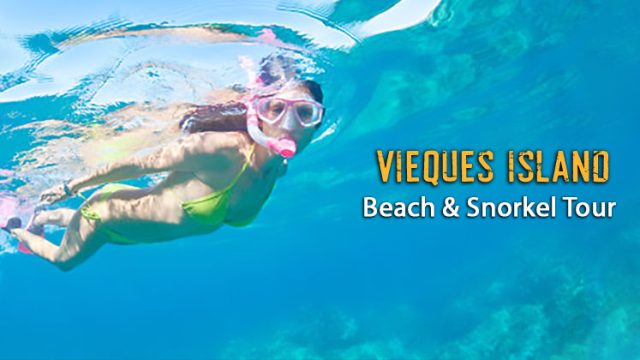
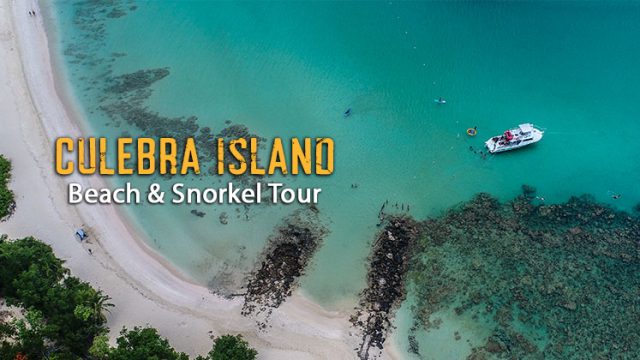
If you come to Puerto Rico, you have to visit the Caribbean National Tropical Rain Forest, El Yunque!  We also recommend a visit (accessible by ferry) to the neighboring Islands of Vieques and Culebra, both with spectacular beaches and in Vieques. Flamenco beach in Culebra is recognized as one of the most beautiful beaches in the world. The Bio Bay Laguna Grande in Fajardo is the most visited place in the eastern region. And of course if you love to dive and/or snorkel you know who to call!

Most visited places

  • El Yunque
  • Culebra Island
  • Vieques Island
  • Natural Reserve of Mosquito in Vieques
  • Las Cabezas de San Juan Nature Reserve
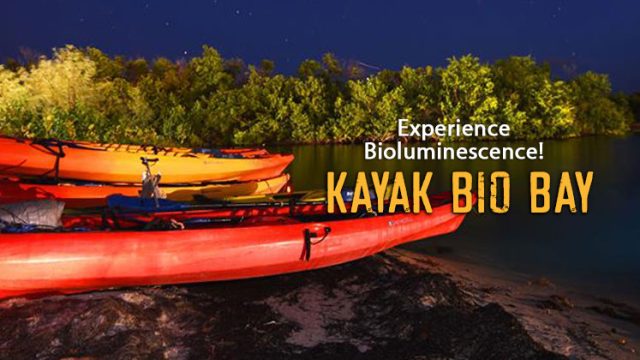
  • (Bio Bay) Bioluminescent lagoon in Fajardo
  • Seven Seas Beach
  • Humacao Nature Reserve
  • Luquillo Beach

Central Area

This is the highest-elevated region of Puerto Rico as it rests atop the Cordillera Central, a mountain chain that rises from 3,500 to 4,389 feet above sea level. Because of higher elevations and prevalent rainfall, the temperatures are cooler than other areas in Puerto Rico. The conditions are also excellent for agricultural development, providing an ideal environment for the Island’s coffee growers. The region also has some spectacular caves hidden in these mountains. A perfect place if you want to stay away from the city but close to nature.

Most visited places

  • Cemi Museum In Jayuya
  • Toro Negro Forest Reserve in Jayuya
  • Caves in Ciales
  • Coffee Plantation
  • Caguana Indian Ceremonial Park in Utuado
  • Carite Forest in Cayey
  • Guavate local restaurant in Cayey

Western Area

The west region is much known for its perfect beaches for surfing and diving. Come and experience these beautiful coasts with some of the most stunning beaches on the Island. Like the east, the western region is a perfect place for ocean lovers. World class surfing and windsurfing are just a few of the water sports available or visit to have a perfect day at the beach!

Most visited places

  • Mona Island
  • Cabo Rojo National Wildlife Refuge
  • Mayagüez Zoo (the only Zoo on the island)
  • Boquerón Beach
  • Rincón Light house
  • Guánica Dry Forest
  • La Parguera in Lajas

SOME PRACTICAL INFORMATION

It is convenient to wear shorts, or swimsuits with t-shirts with a good pair of tennis shoes, also a fanny pack could come in handy for walking and hiking.  Furthermore a cap, sunglasses and camera should be part of your outfit.

The high tourist season starts from December to April, so if you want to come and have some extra-tranquil vacation time, we recommend visits from May to November.

CUSTOMS AND IMIGRATION 

No passport needed for US citizens, but must carry some official ID with photo. If more information is needed contact U.S. embassy or PR State Department (787)-722-2121.

Requirements to enter U.S. territories are the same for citizens from other countries to enter Puerto Rico. Your luggage will be inspected by the U.S. Department of Agriculture to make sure you are not entering any plant or fruits prohibited to the country. Passing customs should take just a few minutes.

AND IN CLOSING…  

Come and getaway to our Island paradise! You’ll find that the Caribbean will fulfill your desires.  Puerto Rico is an Island with a long coastline full of sandy beaches, some of them recognized as the most beautiful in the world. The people are better known for the great hospitality no matter where you come from, we’ll bring you into our culture. The official language is Spanish but English is well spoken throughout the Island. 

Come and have a great afternoon at the beach, maybe a hiking day in the mountains, jump in the cool waters and see the beautiful cascades of El Yunque tropical rainforest, go snorkeling in the colorful reefs around the Island and end your day with some mofongo and Salsa music to dance to! Can life be any better?

No other company offers eco-excursions guided by Marine Biologist.. our own Carlos and Yolanda!

“Awesome tour and guides”

A trip to Puerto Rico is just wont' be complete without a kayaking trip to the bioluminescence bay in Fajardo. Pure Adventure was awesome. The guides were fun, knowledgeable and have an eye for safety. I will definitely be back again.

“Once in a lifetime”

This is really a must see with only five places like this in whole world. The explanation of this phenomenon is so amazing, the trip itself to the bay is unforgetable. you will see fish swimming many feet under the water and it looks like a shooting star! When you scoop water out and run it thru your fingers it looked like little diamonds falling. Trully unbelievable!! Go and enjoy as much as my husband and I did. :)

Wepa!

Just had to write to show my appreciation for a fantastic dive trip. I have to say that I was amazed at the splendid marine life and visibility at the different diving spots. I was even more amazed because no question went unanswered for the entire group. You truly know the marine life and for that I give you thanks.

See you in the reefs!

- Joanna, California

Hi Carlos

What a great Adventure! I have traveled to many countries and never experienced a tour like yours. Your tour is the best by far. Not only did it help us see the beauty of the Island, but it made us understand the balance of nature.

Thanks for a wonderful and extraordinary experience!

- Jim, Vancouver

Hey

I want to express my appreciation on behalf of my entire family. When I went on my vacation I wanted to leave all my worries behind, and your 3 in 1 Adventure was all that I needed. Not only did I leave my worries behind, now I see nature from a complete and exiting new perspective.

Thanks for a great adventure!

- Susan, Ohio

Wow!!

What an experience diving with those dolphins, there is nothing like it. To you Carlos I give thanks for allowing and showing us the wonders of the Caribbean Seas.

Let's go diving!

- Marc, Hawaii